Carl's Jr.®
- 4.5
- Rating
- 1.00M
- Installs
- Free
- Price

 Analysis by App-foxy
I downloaded Carl's Jr.® expecting a fairly simple restaurant app: choose food, place an order, and move on. That is mostly what it is, but the first week showed me why a focused fast-food app can be more useful than a general delivery service when I already know where I want to eat. The experience is built around ordering from Carl's Jr., collecting rewards, finding deals, and reducing the time spent waiting at the counter.
It is a free Food & Drink app from CKE Restaurants, available to everyone, and it has already become a familiar option for a large number of customers, with more than a million installs and an average rating of 4.6 from roughly twenty-two thousand ratings. Those figures suggest that the basic idea works for many people, although they do not remove the practical question: will it still deserve space on your phone after the first few orders?
What the first week feels like
My first impression was that the app makes the most sense when I am already committed to Carl's Jr. It is not trying to help me compare every restaurant nearby. Instead, it puts the chain's own ordering process in front of me, which keeps the decision focused. I can look through the menu, build an order, and use the app's ordering flow rather than joining the usual line.
You May Also Like

 Blood Strike: 2.5 Anniversary
Blood Strike’s Loadouts Turn Every Drop Into a Tactical Gamble
A close look at Blood Strike’s custom loadouts: how fast access to signature weapons reshapes its battle royale rhythm, rewards preparation, and narrows the gap between fights.

 Pandora - Music & Podcasts
Pandora’s Music Is Easy to Start, but Harder to Recover
Pandora’s strength is its low-effort path from a seed to a station. Its weak spot is how much confidence it asks you to place in connection, setup, and quiet recovery.

 8 Ball Pool
 Is Built on Rivalries, Rematches, and Routine
A close look at the rivalries, rematches, shared routines, and unanswered safety questions that turn a quick pool match into a persistent mobile community.

 Samsung Music
’s Quiet Strength Is Playing What You Already Own
Its reach comes less from spectacle than from dependable access to a personal library. That simplicity is both the app’s strongest retention engine and its ceiling.

 AccuWeather: Weather Radar
AccuWeather Review: A Quick, Clear Forecast for Everyday Decisions
For everyday plans, the best forecast is the one you can understand quickly. AccuWeather makes rain timing, radar, and local conditions easy to act on, with a few trade-offs.

 Hill Climb Racing
Why Hill Climb Racing Still Turns Crashes Into One More Run
A tiny car, a bumpy hill and one more upgrade: Hill Climb Racing keeps resurfacing because its simple chaos makes every near-miss feel personal.
More From Our News Desk



That narrow purpose is also its main strength. A broad delivery app may show more restaurants, but it often adds another layer between me and the restaurant. Carl's Jr. is more direct for a pickup run, especially when I am driving past a location or want to arrange food before leaving work. The app's appeal is not that it replaces every food-ordering tool; it is that it removes unnecessary steps when this particular chain is the destination.
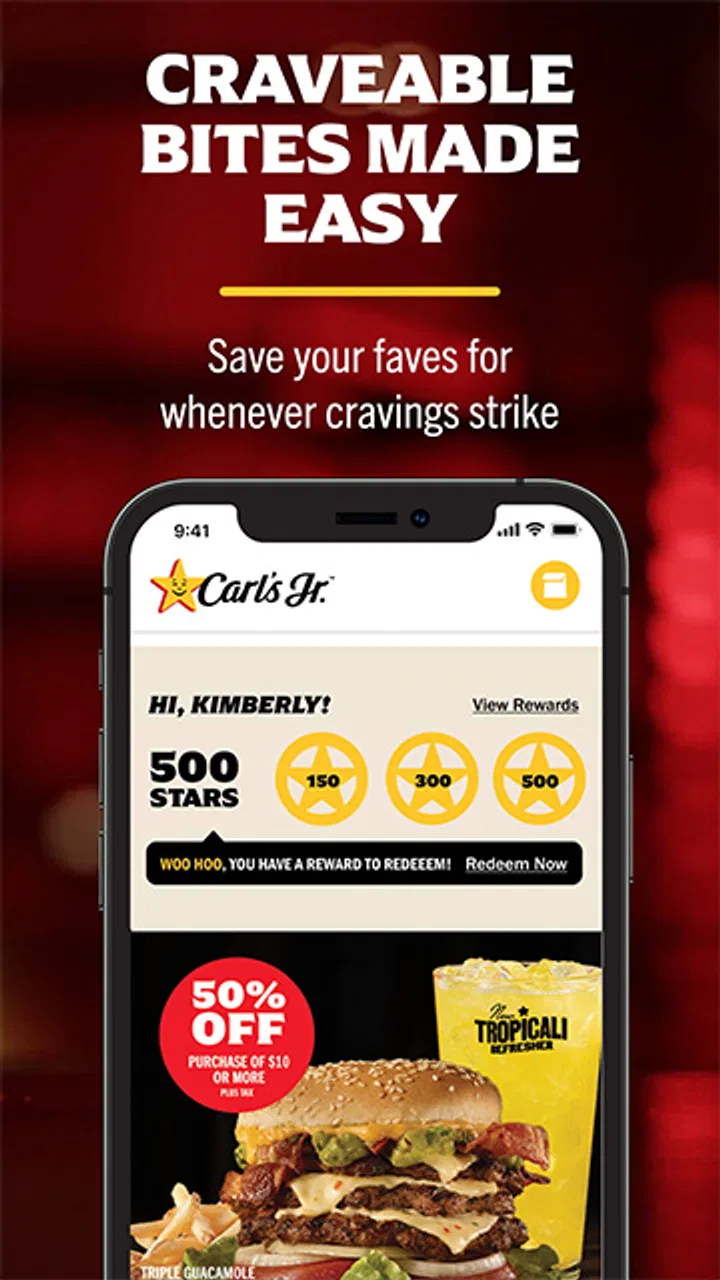
The rewards element gives the first week a second reason to open the app. Each order can contribute to a longer-term relationship with the restaurant instead of being a completely isolated purchase. I found that more motivating than a one-off digital coupon because it gives repeat visits a visible purpose. Still, rewards only matter if I return often enough to use them, so I would not treat the points system as a reason to visit Carl's Jr. more frequently than I normally would.
The deals are particularly useful when I check them before building the order rather than after. That small change in workflow can affect what I choose and whether the app feels like a genuine saving tool. I recommend opening the offers area first, noting what fits the meal I already planned, and then checking the final basket carefully. This avoids adding food simply because a promotion made it look attractive.
For a realistic weekday example, imagine finishing a late shift with a short break and no interest in standing at a busy counter. I can select the restaurant, prepare the order while still at work, and use the pickup flow when I am ready to leave. The benefit is not dramatic every time, but it is noticeable when timing matters. The app is most convincing in these small, repeated moments rather than during a single novelty-driven test.
One detail I would pay attention to during the first order is the selected location. Restaurant apps are location-sensitive in practical ways: the menu, pickup expectations, and order destination all depend on choosing the right branch. I would not rush through that screen, especially if several Carl's Jr. restaurants are close together. A few seconds of checking is better than discovering that the order was prepared somewhere inconvenient.
Where it beats the usual alternatives
Compared with ordering at the counter, the app gives me more time to review the meal before committing. That is helpful when I want to adjust a burger, choose sides, or decide whether a deal is actually worthwhile. Counter ordering is still quicker for someone who is already inside and knows exactly what they want, but the app is better when I want to plan without pressure.
Compared with a delivery marketplace, the direct route is more appealing when I can collect the food myself. I avoid browsing through unrelated restaurants and keep the order tied to Carl's Jr.'s own ecosystem of deals and rewards. The trade-off is obvious: a general marketplace is more useful when I want delivery, variety, or a single basket combining different restaurants. This app is not a universal food-ordering replacement.
Compared with a mobile browser, a dedicated app feels more natural for repeat use. I can return to the same restaurant-focused environment instead of starting from a search each time. That convenience is modest, but habits are built from modest conveniences. If I only visit Carl's Jr. once every few months, the browser or counter may be enough. If I already go regularly, the app has a clearer reason to stay installed.
Does the value hold up after the novelty?
I look at the value question through a practical lens: does the app make a familiar Carl's Jr. stop easier without asking me to reorganize how I eat? In this section, I focus on the small habits that keep repeat use worthwhile, including checking an offer against the meal I already planned and confirming the pickup details before submitting. That distinction matters more over time than the novelty of placing a first order.
Month-to-month usefulness depends on your routine
After the first few orders, the central question changes from “Can I order with it?” to “Does it improve enough visits to justify keeping it?” My answer is yes for a regular Carl's Jr. customer, but only conditionally. The lasting value comes from combining three behaviors: ordering ahead when timing matters, checking deals before choosing food, and letting rewards accumulate naturally through visits I would have made anyway.
If I use only one of those behaviors, the app becomes less compelling. Ordering ahead alone may not save much time when the restaurant is quiet. Deals alone may not matter if my usual meal is rarely included. Rewards alone can feel too distant if my visits are occasional. Together, however, they create a practical cycle: I check the app before a visit, place a more considered order, and receive a reason to use the same process again.
My strongest long-term tip is to treat the app as a planning tool, not an excuse to spend more. I would decide what I want before opening the deals, then use a promotion only when it matches that plan. This keeps the reward system from turning a quick meal into an unnecessary upsell. The app can make repeat purchases feel more efficient, but it cannot make an unneeded purchase financially sensible.
There is also a useful distinction between convenience and savings. The app may save me time or reduce ordering friction even when the selected meal is not cheaper than usual. On another visit, a deal may improve the value while pickup timing remains unchanged. I prefer judging those benefits separately, because expecting every order to deliver both perfect convenience and a meaningful discount is likely to create disappointment.
The app's audience rating of Everyone makes it approachable for households with different ages, and the straightforward restaurant purpose helps keep the learning curve low. I would still expect the person placing the order to review the basket carefully, particularly when ordering for several people. A digital interface makes customization easier, but it also makes it easy to overlook a side, drink, or modification before submitting.
What requires regular attention
The maintenance burden is fairly light, but it is not zero. I need to remember to check current deals, choose the correct restaurant, and confirm that the order reflects what I intended. Those are not difficult tasks, yet they are the difference between an app that saves time and one that merely adds another screen to the meal.
Rewards require the same kind of attention as any loyalty program. I would make sure the account used for ordering is the one I expect to receive credit, rather than assuming every purchase will automatically connect to the right place. I would also check the reward balance after an order when it matters to me. That simple habit makes the program easier to trust and prevents me from relying on a balance I have not actually reviewed.
Keeping the application updated is another ordinary responsibility. The version I reviewed is 5.2.0 and requires at least iOS or Android 10, so anyone using an older device should check compatibility before planning around it. For people with a relatively current phone, this should not be a major obstacle, but minimum operating-system requirements can matter in families that keep older devices for occasional use.
I would not describe the app as maintenance-heavy. It is not a meal planner, a grocery manager, or a nutrition tracker that demands daily input. Its upkeep is closer to remembering a digital loyalty card and using a restaurant-specific ordering channel when appropriate. That is a reasonable burden for frequent customers, but unnecessary overhead for someone who rarely visits the chain.
Where repetition starts to wear thin
The first source of fatigue is the app's narrow scope. The same focus that makes it efficient also limits its usefulness. Once I have learned the menu and ordering process, there may be little reason to browse unless I am placing an order, checking a deal, or reviewing rewards. People who want discovery, restaurant comparison, or flexible delivery options will probably find a broader service more useful.
The second source is promotion fatigue. Deals are helpful when they fit my plans, but repeatedly scanning offers can make the experience feel like work. I do not want to redesign every meal around a promotion. The healthiest long-term approach is to check briefly, use an offer when it naturally suits the order, and close the app when it does not.
There is also a possible gap between digital convenience and the physical pickup experience. Ordering ahead can reduce time spent ordering, but it does not guarantee that every visit will feel instant. Restaurant traffic, preparation timing, and the moment I arrive still affect the overall experience. I see the app as a way to organize the order, not as a promise that the entire restaurant visit will be frictionless.
Another limitation is that the app is most valuable only within Carl's Jr.'s own footprint. If I am deciding between several nearby restaurants, a general-purpose ordering platform may be more practical. If I need food delivered to a location, I would compare the available alternatives rather than automatically choosing this app. The direct connection to the chain is a benefit, but it also defines the boundary of its usefulness.
People who dislike creating accounts, managing loyalty balances, or checking a digital menu before eating may prefer the counter. Likewise, someone who usually orders the same item in person and never uses deals is unlikely to gain enough from installing it. I would skip it if my visits are rare, if my phone cannot meet the operating-system requirement, or if I specifically want one app for many restaurants.
Small habits that improve the experience
I found that the best workflow begins before I am hungry. When I open the app while deciding where to stop, I have time to compare the available deal with the meal I actually want. Opening it at the last second encourages rushed choices and makes any ordering mistake more annoying. A short planning step turns the app from a digital queue into a useful part of the trip.
For group orders, I would build the basket slowly and review it once from the perspective of the person collecting the food. Check the restaurant, items, customizations, sides, drinks, and final total before submitting. This is more important than it sounds because digital ordering makes a long order look tidy even when one small omission changes the meal.
For solo orders, I would keep the process deliberately simple. Use a deal only if it matches the intended meal, avoid adding extras just to chase a reward, and decide whether pickup timing genuinely helps that day. These choices protect the app's long-term value. The goal is not to interact with it more; the goal is to make the few interactions that matter more effective.
I would also avoid judging the app solely by the reward balance. A loyalty feature can be valuable as a bonus, but the main test is whether ordering through it feels easier than the alternative. If I am making a special trip only to reach a reward, the system has started controlling my routine rather than serving it. Used sensibly, rewards reinforce an existing habit instead of creating an expensive new one.
My long-term verdict
After the novelty fades, Carl's Jr. remains worthwhile for a specific kind of user: someone who visits the chain often enough to benefit from repeat ordering, wants to check deals, and prefers pickup planning over standing at the counter. For that person, the free app earns its place because it combines convenience and loyalty value in one focused tool.
My recommendation is more cautious for everyone else. Occasional customers may find the first order convenient but have little reason to maintain the app. Delivery-focused users may be better served by a marketplace that covers more restaurants and handles their preferred delivery routine. People who want the simplest possible meal purchase can still order in person without losing much.
CKE Restaurants has kept the product focused rather than turning it into a broad food platform, and I think that focus is both its best quality and its clearest limitation. The experience is easier to understand because it is built around one restaurant brand, but it cannot follow me when my dining plans move elsewhere. Its 4.6 average and broad install base show strong appeal, yet lasting usefulness still depends on personal frequency and habits.
My final advice is to install it if Carl's Jr. is already part of your normal routine, then use it with discipline: check the deal first, confirm the location, review the order, and let rewards accumulate without changing what you would otherwise buy. Its real value is repeated convenience, not the excitement of downloading another restaurant app. In my experience, that makes it a sensible long-term companion for regular customers, while occasional visitors should feel no pressure to keep it around.
FAQs for Carl's Jr.®
01What features does the Carl's Jr.® app offer to users?
The Carl's Jr.® app provides a range of features designed to enhance your dining experience. Users can browse the full menu, order food for delivery or pickup, and locate the nearest restaurant. Additionally, the app offers exclusive deals and promotions, a rewards program, and nutritional information for conscientious eaters.
02How does the rewards program in the Carl's Jr.® app work?
The rewards program in the Carl's Jr.® app allows users to earn points with every purchase. These points can be redeemed for free menu items or discounts on future orders. To participate, simply sign up for an account and scan your app when making purchases in-store or add your order to the app for online transactions.
03Is the Carl's Jr.® app available on both Android and iOS devices?
Yes, the Carl's Jr.® app is available for both Android and iOS devices. You can download it from the Google Play Store for Android or the Apple App Store for iOS. The app is designed to provide a seamless user experience across both platforms, ensuring accessibility for all customers.
04Are there any specific system requirements for using the Carl's Jr.® app?
The Carl's Jr.® app requires a smartphone running at least Android 8.0 or iOS 12.0 to ensure optimal performance. The app is updated regularly to include new features and enhancements, so it's also important to keep your app updated to the latest version for the best experience.
05How can I troubleshoot common issues with the Carl's Jr.® app?
If you encounter issues with the Carl's Jr.® app, try restarting the app or your device. Ensure that you have a stable internet connection and that the app is updated to the latest version. For persistent issues, you can reach out to customer support through the app or the Carl's Jr.® official website for further assistance.
Pros
- User-friendly interface with intuitive navigation.
- Efficient ordering system reduces wait times.
- Customizable menu options for dietary needs.
- Real-time order tracking for convenience.
- Access to exclusive deals and discounts.
Cons
- Limited payment options available.
- App occasionally experiences slow load times.
- Notifications can be overwhelming.
- Some features require stable internet.
- Menu updates can be delayed.

Carl's Jr.®
Gallery